
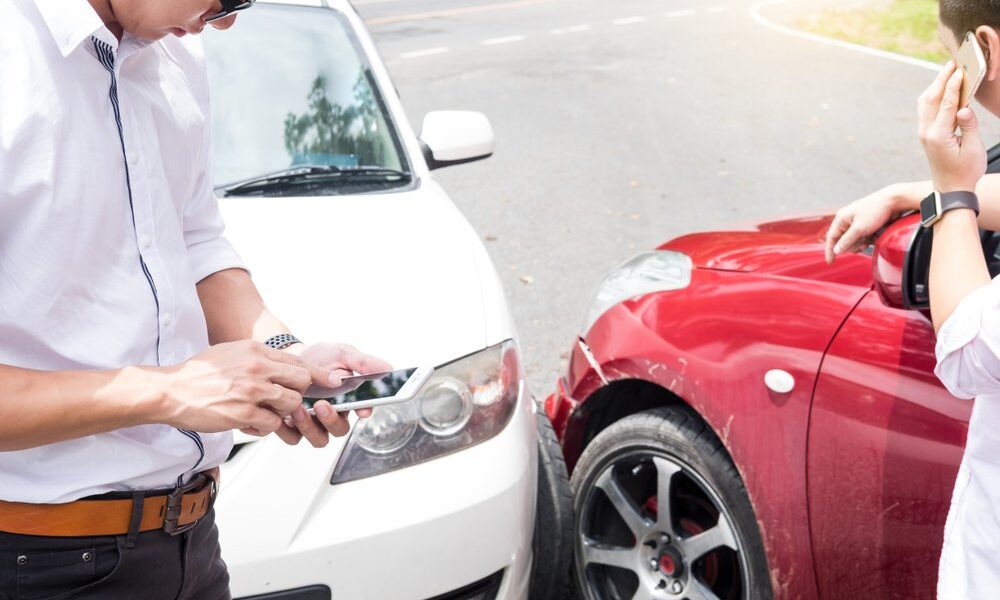
Driving in the busy streets of New York can be a stressful experience even for the most seasoned drivers. When tempers run high and frustration mounts, some drivers may feel the compulsion to suddenly slam the brakes to intimidate or teach the fellow driver “a lesson.” However, as a car accident lawyer in Manhattan, we advise you to think twice—not only is brake checking profoundly dangerous, but it also carries with it serious insurance and legal ramifications if you meet with an accident in the process.
In this post, the team at Gabriel Law will explain why determining liability in brake-checking accidents may not always be straightforward and what you can do to protect your rights and secure fair compensation in the event of an injury.
What is Brake Checking?
Brake checking is a dangerous and illegal driving maneuver where a driver in front intentionally and abruptly slams the brake to startle or intimidate a driver tailgating or aggressively driving behind them. The act of brake checking can lead to rear-end collisions which in turn can cause all manner of physical injuries, with whiplash, traumatic brain injury, and fractures being commonplace.
Is Brake Checking Illegal in NYC?
While the term ‘brake checking’ is not expressly referenced in New York’s traffic law, a driver who brake checks another may be considered a reckless driver under Section 1211 of New York Traffic and Vehicle Law. Reckless driving is prohibited, and anyone found violating Section 1212 will be guilty of a misdemeanor.
According to Section 1212, ‘reckless driving’ shall mean “driving or using any motor vehicle, motorcycle, or any other vehicle propelled by any power other than muscular power or any appliance or accessory thereof in a manner which unreasonably interferes with the free and proper use of the public highway or any parking lot or unreasonably endangers users of the public highway or any parking lot.”
What Are My Options for Compensation for Brake Checking Accidents?
When it comes to compensation for car accident injuries in New York, there are insurance claims and lawsuits.
If you’ve been injured in a car accident, you can first claim compensation for medical expenses, lost wages, and other related expenses for up to $50,000 through your Personal Injury Protection (PIP) coverage.
Since New York is a no-fault state, you are able to claim this compensation irrespective of your fault in the accident. However, keep in mind that insurance claims only compensate for economic damages, meaning you cannot claim compensation for non-economic damages such as pain and suffering and mental distress.
If you want to claim compensation for non-economic damages, you must file a personal injury lawsuit. You must show that your basic economic damage exceeded $50,000 or that the accident has caused you what the law considers a “serious injury.”
For example, if the accident has caused a fracture or serious disfigurement, then you have suffered a serious injury and thus are allowed to file a personal injury lawsuit. Under the statute of limitations, the personal injury lawsuit must be filed within three years of the date of the accident.
What If I Am Partially At Fault For the Brake-Checking Accident?
When it comes to brake-checking accidents, there is the possibility that both vehicles involved share the blame for the accident. In such situations, New York’s pure comparative negligence rule applies.
According to the pure comparative negligence rule, if a person is partially responsible for the accident, any compensation they receive will be reduced by the percentage of fault they bear for the accident. Fortunately, since it is the pure comparative negligence rule as opposed to its modified rule, a person is not barred from compensation even if they are mostly responsible for the accident.
For example, consider a situation where driver A brake-checks driver B, who was closely following behind. A collision occurs; both drivers sustain injuries and are now claiming $50,000 each in compensation. When the subsequent accident investigation finds that driver A is 55% responsible for the accident and driver B is 45% responsible for the accident, their compensations will be reduced accordingly.
Conclusion
Brake-checking accidents can be dangerous and legally complex. Proving what really happened requires strong evidence as well as the skills, expertise, and guidance that only a car accident lawyer in Brooklyn can provide. At Gabriel Law, we have a team of seasoned NYC car accident lawyers that will do everything in their power to gather and preserve evidence and fight to hold the guilty accountable. If you’re ready to take the next step, then contact us today to schedule your free and confidential consultation.
