
California lemon law for electric vehicles works the same way as it does for gas cars. If a qualifying new or leased EV has a warranty defect, such as a battery, charging, drive power, or software problem, that the manufacturer cannot fix after a reasonable number of attempts, you may be entitled to a buyback or replacement. Keep every service record, including remote software updates, and act before warranty and filing deadlines pass.
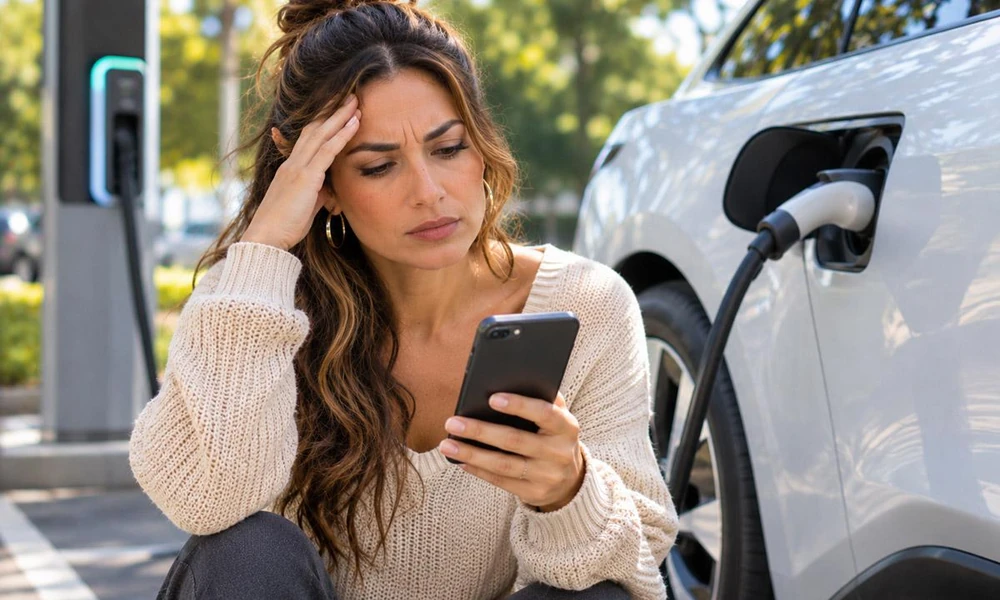
You went electric to save on gas, cut emissions, and enjoy a quieter ride. Instead, your EV keeps throwing warning messages, refuses to charge, or loses power without warning. Every service appointment ends with “we updated the software,” and a few weeks later the problem is back.
If that sounds familiar, California lemon law for electric vehicles may protect you. The Song-Beverly Consumer Warranty Act does not treat EVs differently from gas-powered cars. What matters is whether your vehicle has a defect covered by the manufacturer’s warranty that you have not fixed after a reasonable number of attempts.
EVs do bring unique issues, from high-voltage batteries to over-the-air updates. This guide explains how California lemon law applies to EVs, the most common defects, how battery warranties fit in, and what to do if your EV is a lemon.
Does California Lemon Law Cover Electric Vehicles?
Yes. The California lemon law covers qualifying new electric vehicles bought or leased in California, including battery electric vehicles and plug-in hybrids. The same rules apply as for gas cars: the defect must be covered by the manufacturer’s warranty, substantially affect the vehicle’s use, value, or safety, and remain unfixed after a reasonable number of repair attempts.
Under Civil Code section 1793.2, a manufacturer that cannot conform a new vehicle to its warranty after a reasonable number of attempts must offer a replacement or restitution. That applies whether the vehicle runs on gasoline or electricity.
Used EVs Are Different
Used EV owners should be careful. In Rodriguez v. FCA US (2024), the California Supreme Court held that a used vehicle sold with time left on the original new car warranty generally does not qualify for the refund-or-replace remedy. Used EV owners may still have other warranty rights, so a review of the specific facts matters.
Common EV Defects That May Lead to a Lemon Law Claim
EVs share some problems with gas cars, like suspension, door, and electrical issues, but they also have their own set of common complaints. Defects that can substantially impair use, value, or safety include:
- Loss of drive power while driving
- High-voltage battery problems, including sudden range loss, failure to charge, or battery warnings
- Charging system failures, such as onboard charger or charge port issues
- 12-volt battery or power-control faults that leave the car unable to start
- Software and infotainment failures that affect cameras, displays, or vehicle controls
- Driver-assistance problems, such as unexpected braking or lane-keeping errors
- Thermal management issues affecting battery heating or cooling
These are not just hypothetical. In 2026, Toyota recalled 2026 C-HR battery electric vehicles because a software error could shut down the electric drive system while driving. Hyundai, Kia, and Genesis have also recalled EVs over integrated charging control units that could fail and cause a loss of drive power. You can check your own vehicle on NHTSA’s recall lookup.
A recall alone does not make a vehicle a lemon. But if a recall repair or other repairs do not fix the problem, those visits can be part of your repair history.
An electric car is still a car under California lemon law, with the same rights.
How EV Battery Warranties Fit In
Most EVs come with a separate, longer warranty on the high-voltage battery, often 8 years or 100,000 miles, and sometimes longer. California’s Advanced Clean Cars II rules, adopted by the California Air Resources Board, add minimum battery warranty and durability requirements for zero-emission vehicles starting with the 2026 model year.
That longer battery warranty matters. A lemon law claim generally depends on a defect arising while the vehicle is under the manufacturer’s express warranty. A battery defect that appears in year four may still be covered by the battery warranty, even if the basic bumper-to-bumper warranty has expired.
The Tanner Act Presumption Still Applies
The Tanner Act presumption gives owners a head start if, within 18 months or 18,000 miles, a serious safety defect was subject to repair twice (with written notice to the manufacturer), the same defect was subject to repair four or more times, or the vehicle spent more than 30 days in the shop. Outside that window, owners can still show that the number of attempts was reasonable based on the facts.
Do Over-the-Air Updates Count as Repair Attempts?
Over-the-air (OTA) software updates are one of the most significant differences between EVs and older cars. Many EV problems are addressed remotely, without a service visit. Whether a specific remote update counts as a repair attempt can depend on the facts, so the safest approach is to document every update tied to your complaint.
Here is why it matters. If your manufacturer pushes an update to fix a charging or drive-power problem, and the problem returns, that update may help show the manufacturer tried and failed to fix the defect. But if there is no service record, it can be harder to prove.
How to Document OTA Updates
- Screenshot the update notice and release notes, including the date and software version
- Note whether the update was meant to address your specific complaint
- Write down when the problem returns after the update
- Ask the service center to create a repair order when you report the issue, even if the fix is remote
- Save app messages, emails, and service chat logs related to the defect
If a software update didn’t fix the problem, make sure there’s a record that it was tried.
What to Do If You Think Your EV Is a Lemon
If your EV keeps having the same problem, start building a clear record right away. Strong documentation helps show a recurring warranty defect and a reasonable number of repair attempts.
- Report every problem promptly. Schedule service each time the defect appears, and describe the symptoms in detail.
- Keep every repair order. Make sure each one lists your complaint, mileage, dates in and out, and the work performed.
- Track days out of service. Long waits for parts or battery diagnostics count toward the 30-day measure in the Tanner Act presumption.
- Record symptoms safely. Have a passenger capture warning messages or charging errors, or take photos once parked.
- Save charging and range data. Screenshots of failed charging sessions or sudden range drops can help.
- Check for recalls. Use NHTSA’s recall lookup with your VIN, and keep records of any recall repairs.
- Notify the manufacturer in writing. Use the lemon law or customer assistance contact listed in your owner’s manual or warranty booklet.
Deadlines and the New Lemon Law Procedures
Timing matters for EV owners, especially because battery warranties can last much longer than basic warranties. California’s new lemon law procedures under AB 1755 and SB 26 apply only to manufacturers that opted in. According to CalMatters, Ford and GM were among the automakers that opted in, while Toyota and Honda did not.
For opted-in manufacturers, the process includes a written demand at least 30 days before filing a lawsuit seeking civil penalties, and a tighter filing deadline. As explained in Advocate magazine, owners seeking restitution or replacement generally need to act within one year after the warranty expires and no later than six years after purchase, which may especially affect EV owners with long battery warranties. Because rules differ by manufacturer, it is worth checking the Department of Consumer Affairs list or asking our team.
What Remedies Are Available for an EV Lemon?
If your EV qualifies, California lemon law remedies generally include a buyback (restitution) or a replacement vehicle, and you choose which one. A buyback typically refunds eligible amounts you paid, including sales tax and registration, and pays off your loan or lease, minus an offset for miles driven before the first repair visit for the defect.
In some cases, owners and manufacturers negotiate a cash-and-keep settlement, where the owner receives compensation and keeps the vehicle. That is not guaranteed and depends on the facts. Leased EVs are often covered too, and a lease buyback can let you walk away from the lease.
Whatever your EV brand, our team can review your repair history and explain your options. Learn more about how California lemon law works on our site, or browse common questions on our FAQs page.
The Bottom Line on California Lemon Law for Electric Vehicles
California lemon law for electric vehicles offers the same protection as it does for gas cars. If your new or leased EV has a battery, charging, drive-power, or software defect that keeps coming back under warranty, you may qualify for a buyback or replacement. Document everything, including remote updates, and pay attention to warranty and filing deadlines.
Are you stuck with an EV that spends more time at the service center than on the road? You don’t have to fight the manufacturer alone. Lemon Law Champions charges nothing upfront, and if we win, the manufacturer helps pay the legal fees. Let’s turn your lemon into lemonade.
Get a Free Consultation or call (855) 345-3666.
Frequently Asked Questions
Does California lemon law cover electric vehicles?
Yes. The California lemon law covers qualifying new and leased electric vehicles, including battery electric vehicles and plug-in hybrids. The same rules apply as for gas-powered vehicles.
Is an EV battery defect covered by lemon law?
It can be. If a battery defect is covered by the manufacturer’s warranty, substantially affects use, value, or safety, and is not fixed after a reasonable number of attempts, it may support a lemon law claim. Battery warranties are often longer than basic warranties.
Do over-the-air software updates count as repair attempts?
It can depend on the facts. Document every update related to your complaint, and ask the service center to create a repair order when you report the problem.
Can I return a leased EV under lemon law?
Often, yes. Lemon law covers many leased vehicles, and a lease buyback typically refunds your lease payments and pays off the leasing company.
Is a used EV covered by California lemon law?
Used vehicle coverage is narrow. After Rodriguez v. FCA US (2024), a used car sold with time left on the original warranty generally does not qualify for the refund-or-replace remedy, though other warranty rights may apply.
Legal disclaimer: This article is for informational purposes only and is not legal advice. Past results do not guarantee a similar outcome, and every case depends on its specific facts, including warranty coverage and repair history. For advice about your situation, contact Lemon Law Champions for a free consultation.
