
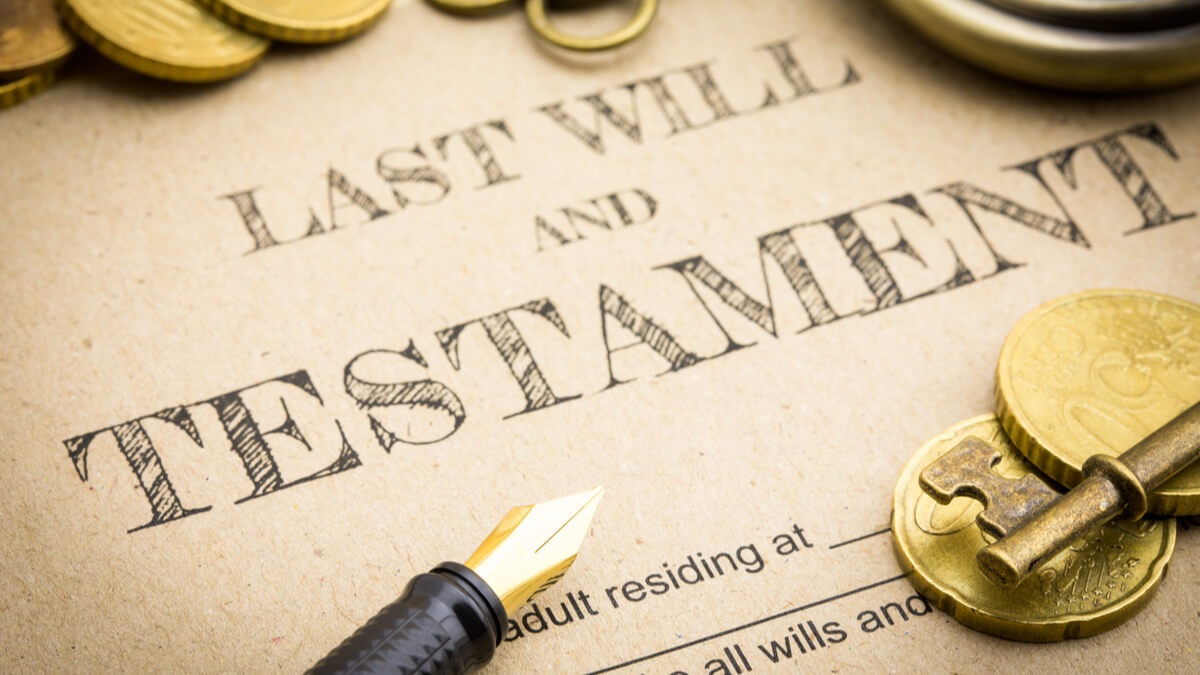
An inheritance journey often feels overwhelming. There are many steps in probate. Beneficiaries should understand each stage clearly. A clear process brings peace and trust. Probate ensures legal distribution of estate. Sometimes the process takes a little time. This time helps ensure fairness and compliance. There are many legal rules that guide distribution. Beneficiaries often wait for official confirmation. Therefore a proper understanding creates less stress. So every person receives assets in a fair way.
Understanding the Probate Basics
Probate is a legal process after death. This process verifies the will legally. The court checks documents for accuracy. So the estate can move forward. Executors file petitions with the court. Sometimes there is no will available. Then the court uses state laws. These steps protect the interest of all. Beneficiaries receive notices from the court. Therefore no one remains in confusion. This stage ensures all claims are valid and fair. Clear rules make probate distribution of assets smooth for everyone involved.
Identifying and Valuing Assets
The executor identifies each asset in detail. This includes real estate and personal property. Sometimes there are bank accounts or investments. The value of assets must be calculated. Accurate valuation is very important for fairness. So experts may help with assessments. A court requires complete lists of assets. Then the records go through review.
Settling Debts and Obligations
Before distribution debts must be cleared. The executor pays taxes and legal costs. So every pending obligation gets attention first. Sometimes these payments take extra time. Then distribution happens after full settlement. Creditors often submit claims for dues. Therefore the estate must address each claim carefully. Beneficiaries should wait for final approval. This stage ensures no future financial trouble. These steps protect all parties from legal risks later. Full debt settlement is a vital part of probate process.
Finalizing Court Approvals
Court approval is the next important stage. The judge checks documents for compliance first. Sometimes additional proof is requested from the executor. Then the court issues distribution orders later. Every transfer becomes legally valid and safe. This stage gives confidence to families involved. Beneficiaries often receive timelines during this process. So there is clarity about final steps ahead. A judge confirms accuracy of reports and valuations. Legal approval brings an end to uncertainty. The court ensures fairness before releasing assets officially.
Receiving the Inheritance
Distribution happens after court confirmation is complete. Beneficiaries now receive their entitled shares. Sometimes transfers include property and investments. Then additional steps may apply for real estate. So deeds and titles require proper registration. Legal papers ensure smooth transfers later. Families feel relief at this final stage. Executors complete final reports for the court too. This confirms all steps were lawful and accurate. The process ends with peace of mind for everyone involved. Each beneficiary gets fair access to their rightful share promptly.
